





SMIIC برنامه توانمندسازی در زمینه استانداردهای گردشگری و رستورانهای حلال را در سلطنت عمان برگزار کرد
مؤسسه استانداردها و اندازهشناسی کشورهای اسلامی (SMIIC) با همکاری اداره کل استانداردها و اندازهشناسی وزارت بازرگانی، صنعت و توسعه سرمایهگذاری سلطنت عمان، از ۱ تا ۳ سپتامبر ۲۰۲۶ در شهر صلاله، مرکز استان ظفار، برنامهای تخصصی برای توانمندسازی ذینفعان در حوزه استانداردهای گردشگری حلال و رستورانهای حلال برگزار کرد.
این برنامه در چارچوب پروژه شماره 2025-SMIIC-433 کمیته دائمی همکاریهای اقتصادی و تجاری سازمان همکاری اسلامی (COMCEC) با عنوان «توانمندسازی ذینفعان گردشگری بر اساس استانداردهای خدمات گردشگری و رستورانهای حلال OIC/SMIIC» اجرا شد و بخشی از تلاشهای SMIIC برای حمایت از کشورهای عضو در جهت شناخت و اجرای عملی استانداردهای حلال در بخشهای گردشگری، مهماننوازی و خدمات غذایی به شمار میرود.
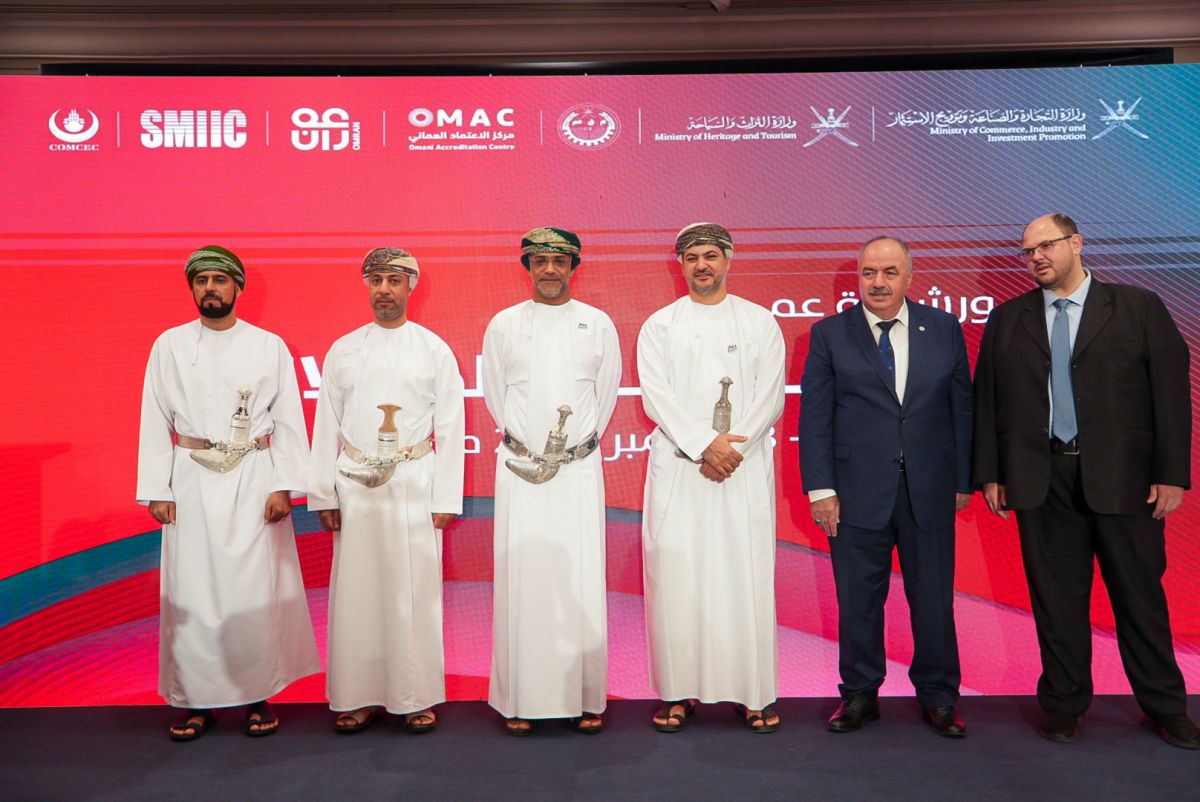
حضور مقامات عالیرتبه عمان در مراسم افتتاحیه
مراسم افتتاحیه با حضور جمعی از مقامات ارشد و نمایندگان نهادهای کلیدی سلطنت عمان برگزار شد. از جمله حاضران میتوان به غالب بن سعید المعمری، معاون وزیر بازرگانی و صنعت، عزان بن قاسم البوسعیدی، معاون وزیر میراث و گردشگری در امور گردشگری، و احسان اووت، دبیرکل SMIIC اشاره کرد.
همچنین عماد الشکیلی، مدیرکل استانداردها و اندازهشناسی، دکتر سعید البوسعیدی، مدیر مرکز اعتباربخشی عمان، نمایندگان شرکت توسعه گردشگری عمان (OMRAN Group) و شماری از فعالان بخشهای دولتی و خصوصی مرتبط با گردشگری، هتلداری، رستورانها، استانداردسازی، ارزیابی انطباق و اعتباربخشی در این برنامه حضور داشتند.
SMIIC در این مراسم بر اهمیت همکاری میان نهادهای گردشگری، سازمانهای استاندارد و اعتباربخشی و بخش خصوصی برای تبدیل الزامات گردشگری حلال به خدمات عملی و قابل اجرا تأکید کرد.
استقبال گسترده از کارگاه آشنایی با گردشگری حلال
در نخستین روز برنامه، حدود ۱۲۰ نفر در کارگاه آشنایی با مفاهیم گردشگری حلال شرکت کردند. در این کارگاه، مفاهیم حلال و صدور گواهی حلال، جایگاه SMIIC و استانداردهای حلال OIC/SMIIC، وضعیت بازار گردشگری حلال و فرصتهای پیش روی عمان برای توسعه خدمات متناسب با نیازهای گردشگران مسلمان معرفی شد.
در این نشست همچنین نقش استانداردها در افزایش اعتماد، ارتقای کیفیت خدمات و تقویت رقابتپذیری مقاصد گردشگری مورد بررسی قرار گرفت.
بخش قابل توجهی از مباحث به ظرفیتهای ویژه عمان، بهویژه شهر صلاله، در حوزه گردشگری حلال و گردشگری خانوادگی اختصاص داشت؛ جایی که جاذبههای طبیعی، فرهنگ مهماننوازی، ارزشهای فرهنگی و فضای اجتماعی خانوادهمحور، زمینهای مناسب برای توسعه تجربههای گردشگری سازگار با نیاز خانوادههای مسلمان و سایر گردشگرانی که به دنبال مقصدی امن و خانوادهدوست هستند، فراهم کرده است.
آموزش تخصصی اجرای استانداردهای حلال
در روزهای دوم و سوم، حدود ۷۰ نفر در دوره آموزشی تخصصی شرکت کردند. این دوره بر اجرای عملی دو استاندارد کلیدی SMIIC متمرکز بود:
- استاندارد OIC/SMIIC 9:2019 مربوط به خدمات گردشگری حلال؛
- استاندارد OIC/SMIIC 6:2019 درباره الزامات رستورانها و مراکزی که در آنها غذا و نوشیدنی حلال تهیه، نگهداری و عرضه میشود.
در نشستهای فنی، نحوه بهکارگیری این استانداردها در مراکز گردشگری، هتلها، رستورانها و خدمات پذیرایی بررسی شد و موضوعاتی همچون دامنه انطباق، مدیریت خدمات گردشگری حلال، پاسخگویی به نیازهای گردشگران مسلمان و حفظ یکپارچگی الزامات حلال در تمامی مراحل ارائه خدمات مورد بحث قرار گرفت.
تدریس این دوره را دکتر محمدعلی الشیخ، متخصص SMIIC و هماهنگکننده پروژه، بر عهده داشت. وی ضمن تشریح الزامات اصلی استانداردها، شرکتکنندگان را با روشهای اجرایی و نمونههای عملی متناسب با بخشهای گردشگری و مهماننوازی آشنا کرد.
گامی در مسیر توسعه گردشگری حلال در کشورهای عضو OIC
این برنامه یکی دیگر از فعالیتهای پروژه توانمندسازی COMCEC است که SMIIC آن را در تعدادی از کشورهای عضو سازمان همکاری اسلامی اجرا میکند؛ پروژهای که هدف آن تقویت ظرفیتهای ملی در اجرای استانداردهای گردشگری و رستورانهای حلال و توسعه همکاری میان نهادهای استاندارد، دستگاههای متولی گردشگری و بخش خصوصی است.
در پایان این برنامه، بر ضرورت تداوم همکاری میان SMIIC، وزارت بازرگانی، صنعت و توسعه سرمایهگذاری عمان، وزارت میراث و گردشگری، اداره کل استانداردها و اندازهشناسی (DGSM)، مرکز اعتباربخشی عمان و دیگر نهادهای ذیربط این کشور برای تقویت زیرساخت کیفیت حلال و حمایت از جایگاه سلطنت عمان بهعنوان یکی از مقاصد نوظهور گردشگری حلال و خانوادگی تأکید شد.
۳ سپتامبر ۲۰۲۶
SMIIC Conducts Capacity-Building Programme on Halal Tourism and Restaurant Standards in the Sultanate of Oman
The Standards and Metrology Institute for Islamic Countries (SMIIC), in cooperation with the Directorate General of Standards and Metrology of the Ministry of Commerce, Industry and Investment Promotion of the Sultanate of Oman, conducted a capacity-building programme on halal tourism and restaurant standards in Salalah, Dhofar Governorate, from 1 to 3 September 2026. The programme was implemented within the framework of COMCEC Project No. 2025-SMIIC-433, entitled “Capacity Building of Tourism Stakeholders with OIC/SMIIC Halal Restaurant and Tourism Services Standards.” The activity forms part of SMIIC’s efforts to support Member States in understanding and practically implementing halal standards in tourism, hospitality and food-service sectors.
The opening programme brought together senior officials and representatives of key institutions in the Sultanate of Oman, including H.E. Ghalib bin Said Al Maamari, Undersecretary for Commerce and Industry, H.E. Azzan bin Qassim Al Busaidi, Undersecretary of the Ministry of Heritage and Tourism for Tourism, and H.E. Mr. İhsan ÖVÜT, Secretary General of SMIIC. The programme was also attended by Mr. Imad Al Shukaili, Director General of Standards and Metrology, Dr. Said Al Busaidi, Director of the Oman Accreditation Centre, representatives of Oman Tourism Development Company (OMRAN Group), and stakeholders from governmental and private-sector institutions involved in tourism, hospitality, restaurants, standardization, conformity assessment and accreditation. SMIIC highlighted the importance of cooperation among tourism authorities, standardization and accreditation institutions and the private sector in translating halal tourism requirements into practical services.
Approximately 120 participants attended the first-day awareness workshop. The programme introduced the concepts of halal and halal certification, SMIIC and its OIC/SMIIC halal standards, as well as the halal tourism market and the opportunities available for Oman to further develop tourism services that respond to the needs of Muslim travellers. The sessions also discussed the role of standards in strengthening trust, service quality and destination competitiveness. Particular attention was given to Oman’s strong potential in halal and family tourism, especially in Salalah, where natural attractions, hospitality, cultural values and a family-oriented social environment provide a strong basis for developing tourism experiences suitable for Muslim families and other visitors seeking safe and family-friendly destinations.
During the second and third days, approximately 70 trainees participated in the specialized technical training, which focused on the practical implementation of OIC/SMIIC 9:2019 on Halal Tourism Services and OIC/SMIIC 6:2019 on the requirements applicable to restaurants and establishments where halal food and beverages are prepared, stored and served.
The technical sessions addressed the application of the standards in tourism establishments, hotels, restaurants and catering operations, including conformity scope, management of halal tourism services, the needs of Muslim travellers, and the preservation of halal integrity throughout service delivery.
The technical training was delivered by Dr. Mohammed Ali Alsheikh, SMIIC Specialist and Project Coordinator, who presented the key requirements of the standards and guided participants through practical implementation approaches and examples relevant to the tourism and hospitality sectors.
The programme represents another activity under the COMCEC capacity-building project implemented by SMIIC across a number of OIC Member States, with the objective of strengthening national stakeholder capacities in the implementation of halal tourism and restaurant standards and promoting cooperation among national standards bodies, tourism authorities and the private sector.
The programme concluded by emphasizing the importance of continued cooperation between SMIIC, the Ministry of Commerce, Industry and Investment Promotion, the Ministry of Heritage and Tourism, DGSM, the Oman Accreditation Centre and other relevant Omani institutions in strengthening the halal quality infrastructure and supporting the Sultanate’s potential as a promising destination for halal and family tourism.
03/09/2026